The Department of Science and Technology Ilocos Region (DOST Ilocos Region) through its Provincial Offices and Regional Program Management Office (RPMO) conducted Technology Needs Assessments (TNA) for twenty-five (25) Micro, Small, and Medium Enterprises (MSMEs) across Region 1 as part of the Small Enterprise Technology Upgrading Program (SETUP).
The validation activities served as a critical step for enterprises seeking assistance under SETUP, DOST’s flagship program aimed at enhancing industrial productivity, competitiveness, and innovation among local businesses.
During the assessments, the DOST team evaluated the firms’ current production capacity, technology utilization, operational challenges, and opportunities for innovation. Possible interventions such as equipment upgrading, process improvement, technical consultancy, and workforce capability enhancement were identified to help businesses improve productivity and expand their market reach. The assessment also considered gender-responsive needs to ensure inclusive and sustainable enterprise development.
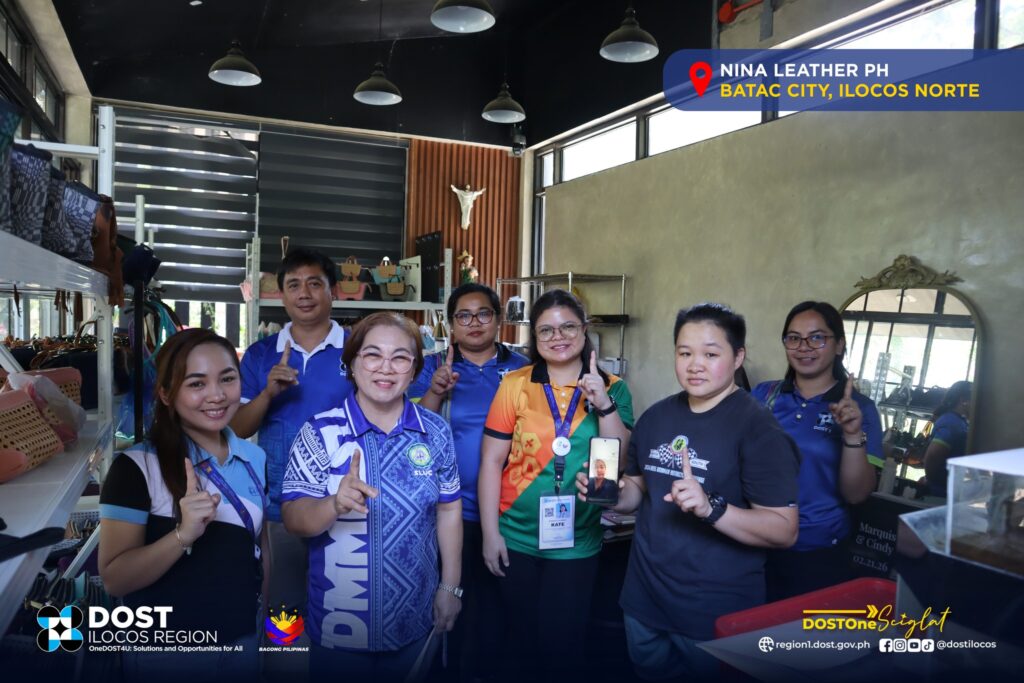
A total of twenty-five (𝟐𝟓) 𝐟𝐢𝐫𝐦𝐬 𝐚𝐜𝐫𝐨𝐬𝐬 𝐑𝐞𝐠𝐢𝐨𝐧 𝟏 underwent Technology Needs Assessment as part of SETUP, including four (𝟒) 𝐟𝐢𝐫𝐦𝐬 from 𝐋𝐚 𝐔𝐧𝐢𝐨𝐧, seven (𝟕) 𝐟𝐢𝐫𝐦𝐬 from 𝐏𝐚𝐧𝐠𝐚𝐬𝐢𝐧𝐚𝐧, four (𝟒) 𝐟𝐢𝐫𝐦𝐬 from 𝐈𝐥𝐨𝐜𝐨𝐬 𝐒𝐮𝐫, and ten (𝟏𝟎) 𝐟𝐢𝐫𝐦𝐬 from 𝐈𝐥𝐨𝐜𝐨𝐬 𝐍𝐨𝐫𝐭𝐞.
Findings from the Technology Needs Assessment will determine the firms’ eligibility to move forward to the next stage — the preparation of project proposals for further review and possible funding support through the Review and Technical Evaluation Committee (RTEC).
Through SETUP, DOST Ilocos Region continues to empower MSMEs in Region 1 by providing access to appropriate technologies, upgrading equipment, and delivering technical assistance that drive innovation, improve product quality, and create greater market opportunities. By supporting local enterprises through science and technology, DOST Ilocos Region continues to deliver “Agham na Ramdam” by strengthening innovation, improving competitiveness, and helping build more resilient communities across Region 1. (Sheshenie Janae M. Perez)