Local food producers, researchers, academe representatives, government personnel, and other food industry stakeholders in Batanes gained practical knowledge in assessing food products through sensory evaluation during a training conducted by the Department of Science and Technology Provincial Science and Technology Office-Batanes (DOST PSTO-Batanes) and the DOST-Food and Nutrition Research Institute (DOST-FNRI) on October 2, 2026.
The training formed part of the 2026 Science, Technology and Innovation (STI) Caravan in Batanes and introduced participants to scientific methods for assessing food products based on consumer preferences and acceptability.
The activity was designed to help participants understand how sensory evaluation can be used in product development and improvement, particularly in identifying consumer responses to a product’s sensory characteristics.
Frankie Lycurgus D. Avorque, a Professional Food Technologist and Certified Sensory Evaluator from DOST-FNRI, served as the resource speaker. He discussed the fundamentals of sensory evaluation and its application in food product development, including the development of sensory panels and the proper conduct of sensory tests.
Participants learned about the recruitment, screening, and training of sensory panelists, as well as the requirements for conducting reliable sensory tests. These included preparing an appropriate testing environment and ensuring the proper preparation and presentation of food samples.
The training also included a hands-on session where participants applied the concepts through actual sensory testing.
Using the hedonic test, participants evaluated longganisa and two locally produced wine samples to determine their overall acceptability. They also compared juice samples based on consumer preference, giving participants direct experience in gathering sensory data that can be used to assess and improve food products.
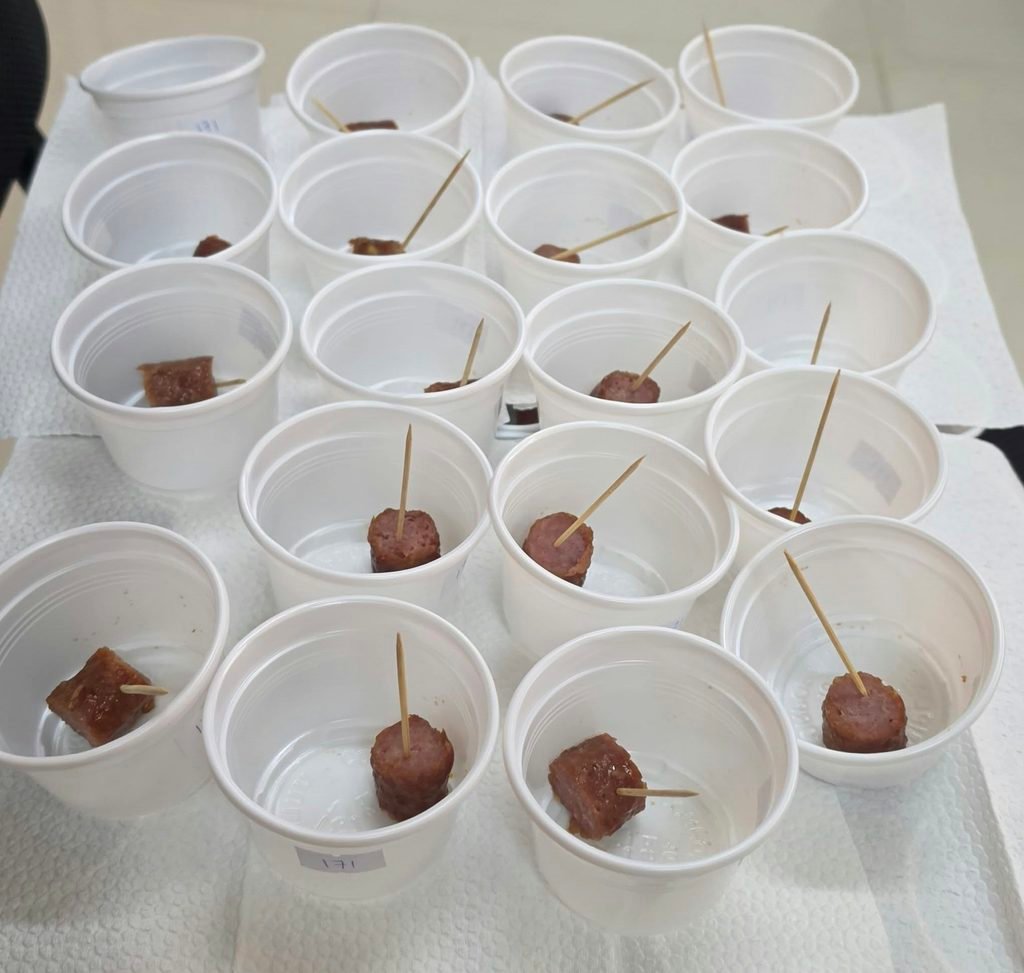
The practical exercises demonstrated how sensory evaluation can provide producers with information on how consumers perceive their products and which characteristics may need to be improved before they are introduced or further developed for the market.
By combining technical discussions with actual food testing, the training provided local stakeholders with basic skills they can apply in developing products that better respond to consumer preferences.
The activity was part of the October 1 to 9, 2026 STI Caravan of DOST PSTO-Batanes, which brings science, technology, and innovation programs and services closer to communities across the province.
Through initiatives such as the sensory evaluation training, DOST continues to support Batanes food producers and other stakeholders in applying science-based approaches to product development, quality improvement, and market readiness.(Nelson Santos)