MANILA – Health experts on Friday urged the public to remain vigilant against influenza-like illnesses (ILIs), particularly respiratory syncytial virus (RSV), as the country experiences cooler temperatures.
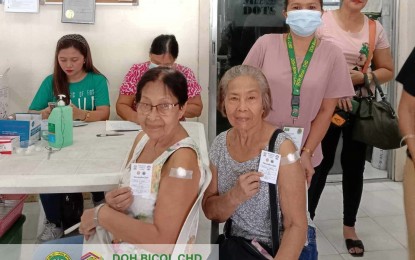
“We hope authorities aggressively push for more awareness campaigns for RSV and educate people about how it spreads, vaccination, and other preventive measures, because one infection can have long-term impacts,” San Lazaro Hospital infectious disease expert Dr. Rontgene Solante said in a statement.
He warned that the highly contagious virus continues to cause significant hospitalizations each year while public awareness remains limited.
Annual vaccination and sustained awareness efforts are crucial since RSV seasonality in the Philippines usually coincides with cooler and rainy months, he added.
RSV is a common cause of respiratory infection that can lead to serious illness among infants, young children and adults aged 60 and above.
While symptoms are often mild and similar to the common cold, older adults and those with underlying conditions may develop severe respiratory or cardiac complications.
Currently, there is no specific curative treatment for RSV, making prevention a key public health strategy.
A review of epidemiologic studies on RSV in tropical countries published in the National Library of Medicine in 2021 reported that RSV consistently ranks among the top two respiratory viruses detected annually in infants and young children in the Philippines.
The Research Institute for Tropical Medicine, in collaboration with sentinel hospital laboratories, conducted a surveillance initiative on the matter.
Data from the RSV Surveillance Project conducted from Jan. 1, 2024 to May 31, 2025, showed an overall RSV positivity rate of 20 percent, reaching as high as 66.7 percent during peak season.
The same surveillance data indicated that RSV contributes substantially to hospitalizations among older adults, estimated at 60,000 to 100,000 cases annually.
Pharmaceutical and Healthcare Association (PHAP) of the Philippines executive director Teodoro Padilla said RSV also poses heightened risks to seniors with comorbidities such as asthma, chronic obstructive pulmonary disease and heart failure.
Moreover, studies show a higher likelihood of severe infection and serious complications among these groups.
“These alarming numbers make preventing RSV more urgent than ever, especially considering that severe illness can now be reduced through vaccination,” he said.
To protect infants from RSV, health experts emphasized the importance of maternal immunization.
They recommend a single dose of the RSV vaccine for pregnant women starting from 28 weeks of gestation, ideally administered at least two weeks before delivery to maximize antibody transfer to the newborn.
The U.S. Centers for Disease Control and Prevention also recommends RSV vaccination for adults aged 75 and older, as well as for those aged 50 to 74 who are at increased risk of severe RSV disease, including individuals with chronic cardiopulmonary disease, diabetes and other underlying conditions.
Apart from vaccination, PHAP and health experts reminded the public to practice frequent handwashing, avoid close contact with sick individuals, and seek medical attention for persistent respiratory symptoms to help reduce RSV transmission. (PNA)