


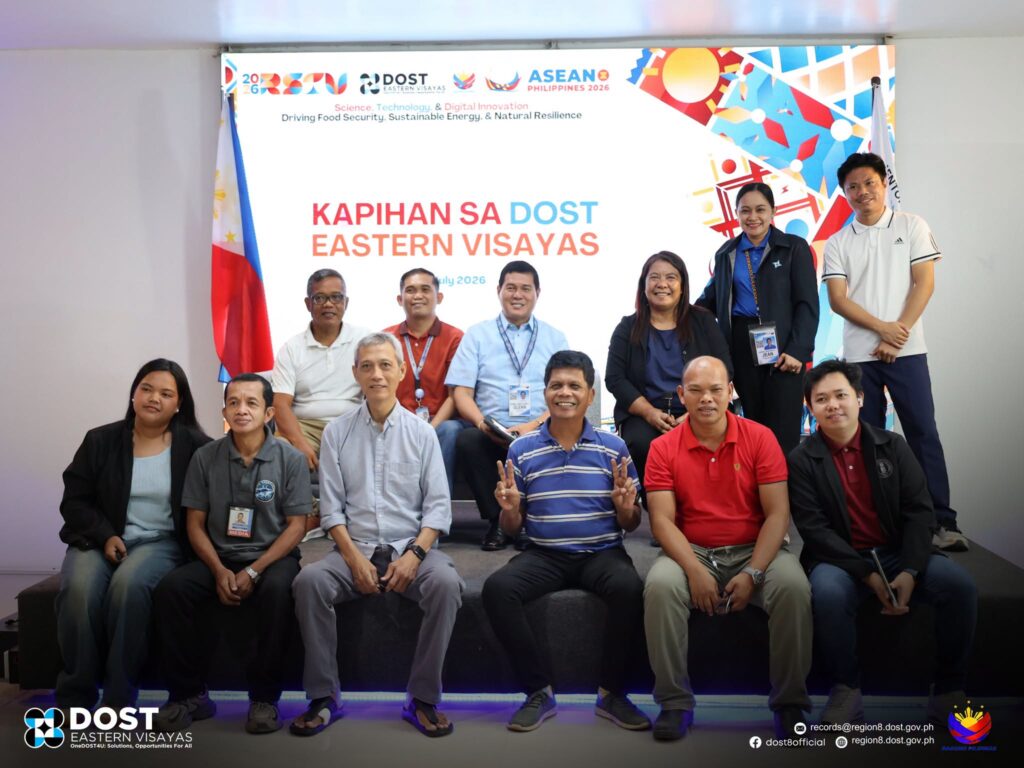
TACLOBAN CITY (PIA) — The Department of Science and Technology in Eastern Visayas (DOST-8) has called on local government units (LGUs) to integrate science, technology, and innovation into local governance to address pressing challenges in food security, sustainable energy, disaster preparedness, and climate resilience.
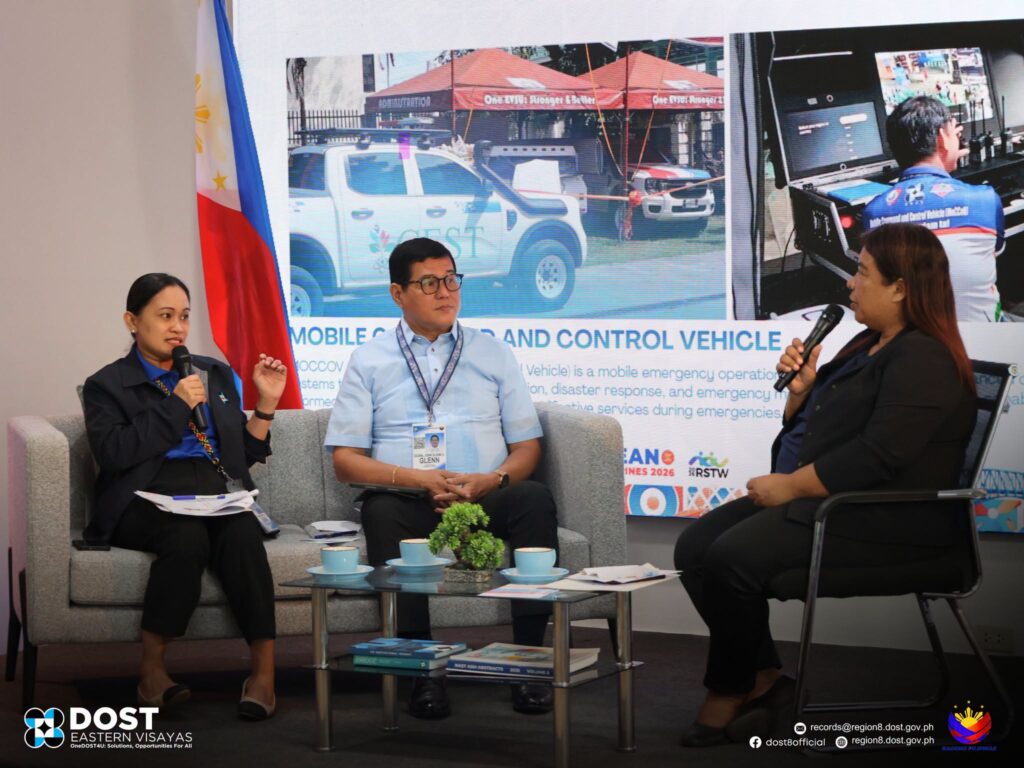
In time for the celebration of the Regional Science and Technology Week 2026 on July 15 to 17, DOST-8 Regional Director John Glenn Ocaña emphasized that locally developed technologies can help communities make informed decisions, improve public services, and build resilience against climate change and natural disasters.
“Science and technology should be at the center of local development planning. By embracing innovation, our local governments can strengthen food security, improve disaster preparedness, ensure sustainable energy, and deliver better services to their constituents,” Ocaña said.
The new technologies and innovations being made available by the agency are in line with this year’s RSTW theme, “Science, Technology and Digital Innovation Driving Food Security, Sustainable Energy and National Resilience.”
The agency encouraged LGUs to maximize the use of GeoRiskPH, a web-based platform that provides hazard, exposure, and risk information to support land-use planning, infrastructure development, and disaster risk reduction.
DOST-8 also highlighted Project NOAH, which offers detailed flood, rainfall, and hazard information that local governments can use to strengthen early warning systems, emergency preparedness, and disaster response.
To improve public access to weather and hazard information, the agency promoted the Panahon App, which provides real-time weather forecasts, rainfall updates, tropical cyclone advisories, and location-based hazard alerts, allowing communities to make timely decisions before and during severe weather events.
Likewise, the agency encouraged LGUs to use HunterPH, a digital platform for collecting and visualizing geospatial and environmental data, supporting evidence-based planning, environmental monitoring, and disaster assessment at the local level.
For the agriculture sector, DOST-8 urged local governments to adopt the Smarter Approaches to Reinvigorate Agriculture as an Industry in the Philippines (SARAI) program. The platform provides climate information, crop advisories, drought monitoring, and decision-support tools that help farmers improve productivity while adapting to changing weather conditions.
The agency also promoted the Rainfall and Stormwater Runoff Management Technology for Tropical Catchment (RainS-TECH) project, a technology that provides localized rainfall monitoring and weather information to support agriculture, water resource management, and disaster risk reduction.
Palo, Leyte, is the first municipality in the Philippines to pilot the RainS-Tech project. The program uses natural processes and green infrastructure to handle sudden downpours, a vital step for Palo given the town’s history of flooding.
“We will be introducing RainS-TECH to other municipalities, especially those vulnerable to flooding. Real-time rainfall data enables farmers and emergency responders to better prepare for extreme weather events,” Ocaña added.
Beyond disaster management and agriculture, DOST-8 underscored the importance of investing in sustainable energy technologies, including solar-powered systems, energy-efficient facilities, and community-based renewable energy projects to reduce energy costs and promote environmental sustainability.
The agency also encouraged stronger collaboration among LGUs, state universities and colleges, research institutions, and the private sector to accelerate the adoption of innovative technologies that address local development needs.
DOST-8 reaffirmed its commitment to providing technical assistance, capacity-building programs, and technology transfer initiatives to help local governments harness science and innovation in building smarter, safer, and more resilient communities across Eastern Visayas. (ACR/PIA Eastern Visayas)