


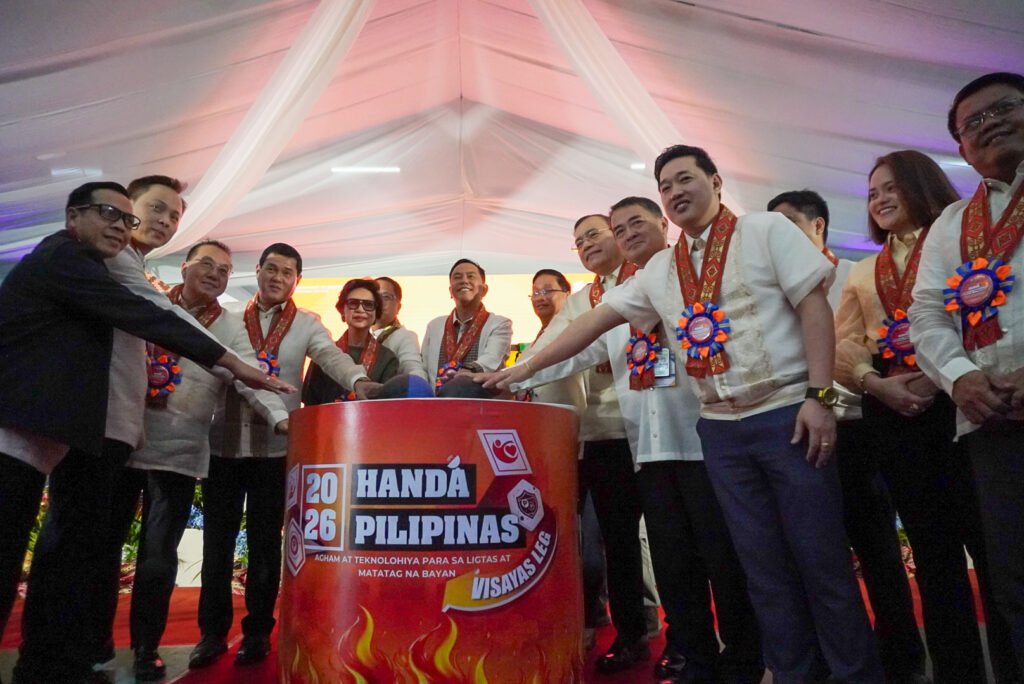
At HANDA Pilipinas 2026, science officials and regional stakeholders made the case for preparedness that protects communities, sustains businesses, and turns risk information into action.

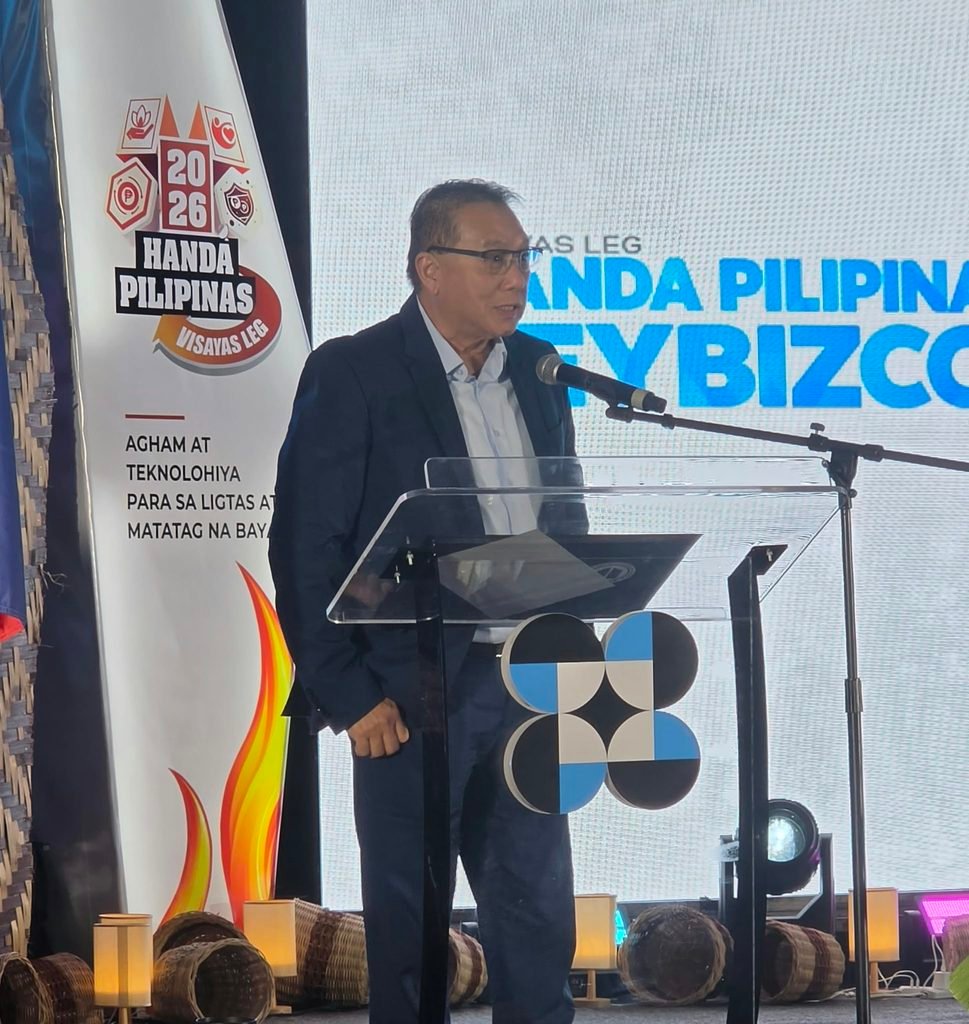
PALO, Leyte — When a disaster strikes, the damage rarely ends when the floodwaters recede or the winds subside. Farms may lose their harvests, businesses may suspend operations, and communities may struggle to restore access to water, healthcare, and other essential services.
For the Department of Science and Technology (DOST), reducing these consequences begins long before a hazard arrives.
That was the central message of HANDA Pilipinas 2026: Agham at Teknolohiya para sa Ligtas at Matatag na Bayan, whose Visayas leg brought together government agencies, local officials, scientists, businesses, and other stakeholders at the Leyte Convention Center from October 7 to 9.
Led by DOST Eastern Visayas, the three-day event sought to strengthen disaster preparedness by connecting communities and institutions with science-based technologies, risk information, and practical solutions. Its opening day highlighted community experiences and disaster risk reduction initiatives, while the third-day business conference examined how enterprises could prepare for disruptions and protect local livelihoods.
The gathering came as Eastern Visayas faced the prospect of prolonged dry conditions associated with a strong El Niño, with implications for agriculture, water resources, and other sectors vulnerable to changes in rainfall.
For DOST Eastern Visayas Regional Director John Glenn D. Ocaña, the challenge was not simply to respond more effectively to disasters, but to build resilience across the systems that communities depend on.
“Resilience is not the government’s job alone,” Ocaña said ahead of the event. He emphasized that disasters affect not only homes and infrastructure but also businesses, agriculture, supply chains, and families’ daily lives.
The message shaped the event’s broader direction: preparedness must extend beyond emergency response and become part of how communities plan, operate, and develop.
Turning science into practical preparedness
HANDA Pilipinas is a nationwide DOST initiative that promotes science, technology, and innovation for disaster risk reduction and climate change adaptation. It gives local governments and other stakeholders a venue to review available technologies and identify solutions that best address their specific hazards and vulnerabilities.
At the opening, the Harampang Kita plenary highlighted grassroots experiences in disaster risk reduction and collaborative community solutions. The technology exposition complemented these discussions by presenting tools to help stakeholders anticipate hazards, improve early warnings, and strengthen preparedness plans.
DOST highlighted GeoRiskPH and HazardHunterPH, platforms developed by DOST’s Philippine Institute of Volcanology and Seismology that help users identify hazards and understand risks in specific locations.
These tools can inform decisions on land use, infrastructure, emergency planning, and protecting vulnerable communities. DOST Eastern Visayas has also conducted training across the region’s provinces to help stakeholders use these resources in practical ways.
The distinction is important. Access to risk information is only the beginning, and local officials and communities must interpret it and incorporate it into decisions about where to build, what to protect, and how to prepare for emergencies.
In a recorded message, DOST Secretary Renato U. Solidum Jr. has emphasized that HANDA Pilipinas must evolve beyond simply exhibiting technologies. The agency wants to better understand what communities actually need and identify where science and technology can make the greatest difference.
A technology clinic for local governments and businesses
One of the event’s major initiatives was the DOST-PCCI Technology Clinic, developed through a partnership between DOST Eastern Visayas and the Philippine Chamber of Commerce and Industry (PCCI) Tacloban-Leyte Inc.
The clinic was designed to help local governments and businesses assess their disaster and climate resilience needs, then identify appropriate technologies or assistance from relevant government agencies.
Rachelle Anne L. Miranda, project development officer IV of DOST’s Disaster Risk Reduction and Climate Change Unit, described the process as similar to a medical consultation: stakeholders first identify their problems before seeking the appropriate intervention.
The approach recognizes that a municipality dealing with flooding may require different solutions from a farming community facing water shortages or a business vulnerable to transport disruptions.
The initiative also reflects a broader change in how the department approaches resilience. Instead of stopping at presenting available technologies, the agency is working to connect identified needs with solutions and support.
For communities with limited resources, this process can help direct attention toward interventions that address specific risks rather than investments that may not fit local conditions.
Preparing businesses for disruption
On the event’s third day, the focus shifted to the private sector during the HANDA Pilipinas Business Conference.
The partnership with PCCI Tacloban-Leyte Inc. brought businesses into the disaster preparedness discussion, recognizing that economic activity is itself vulnerable to natural hazards. A damaged road, interrupted electricity supply, or water shortage can affect an enterprise even when its premises remain intact.
For small and medium-sized businesses, prolonged interruptions can threaten revenue, employment, and the ability to supply essential goods and services.
Henry Y. Goysico, president of PCCI Tacloban-Leyte Inc., said the partnership showed a commitment to bring the business community’s experiences and needs into discussions on preparedness, innovation, and resilience.
For businesses, he explained, resilience involves protecting employees, maintaining operations, preserving livelihoods, and developing the capacity to recover after disruption.
The discussions extended DOST’s preparedness agenda into the economic sphere. Businesses need to understand operational risks, identify essential services and resources, and establish plans to maintain or restore operations after a disaster.
The partnership also recognized that businesses cannot achieve resilience alone. Government agencies, local governments, scientific institutions, and industry groups each have a role in identifying risks and developing appropriate responses.
Science and technology in the face of El Niño
The anticipated effects of El Niño further underscore the need for advance preparation, particularly in agriculture and water management.
DOST highlighted Project SARAi, or Smart Approaches to Reinvigorate Agriculture as an Industry, which provides location-specific agricultural advisories using weather information and other data. These advisories can help farmers make more informed decisions about crop management and respond to changing weather conditions.
The department also cited solar-powered water desalination and purification systems as part of its efforts to improve access to safe water in areas with limited supplies.
These technologies show that disaster preparedness extends beyond hazard forecasting. Communities also need practical measures to reduce their vulnerability to the consequences of those hazards.
Accurate information can help farmers anticipate dry conditions, while appropriate water systems can support communities facing shortages. But the effectiveness of these interventions depends on coordination among agencies and on whether the information and technologies reach the people who need them.
As Miranda emphasized in discussing the role of scientific information, preventing a hazard from becoming a disaster requires coordinated action after risks have been identified.
Leyte’s local response: Digital governance and resilient planning
The region-wide discussions found a local counterpart in a presentation by 3rd District Sangguniang Panlalawigan Member, Marie Kathryn V. Kabigting, who outlined Leyte’s efforts to use technology and data in governance, infrastructure oversight, and development planning.
One initiative she described was a digital monitoring system for public infrastructure projects. Contractors must place a standardized reference cube in front of a time-lapse camera that records construction activity. Provincial engineers upload the footage to the cloud for review, with image analysis intended to help identify potential deviations from construction specifications.
The system is designed to strengthen oversight and identify possible discrepancies between approved plans and actual work. Kabigting said the technology was being tested or rolled out with other public agencies, including the National Irrigation Administration in Region VIII and a Department of Public Works and Highways district office.
Leyte has also been developing digital systems for public services. These include a platform to consolidate patient records across participating hospitals, tools to monitor farm-gate commodity prices, GPS-based tracking of sand and gravel transport, and online tax payment and document-tracking systems.
The initiatives address governance and service-delivery problems, but they also have implications for resilience. More efficient healthcare systems can help maintain access to essential services, while better information about prices and transport can help businesses and communities respond to disruptions.
Kabigting also outlined a proposed 70-hectare provincial government center in Palo. The master plan, developed with architect and urban planner Paolo Alcazaren, envisions public open spaces, a Leyte Landing Park, flood-retention measures, and underground utility cables.
The proposal would incorporate flood management and climate-resilient planning into the development of a major government site. Kabigting acknowledged that the project would require national funding, meaning its implementation would depend on further planning and financing.
She also emphasized the role of natural ecosystems in reducing vulnerability to environmental hazards. She identified peatlands, mangroves, bamboo, coral reefs, and seagrass beds as key resources for Leyte’s environmental protection and economic development.
From an exposition to sustained action
HANDA Pilipinas 2026 brought science-based preparedness into discussions involving local governments, communities, and the private sector. Its technology exposition provided access to available solutions, while the Technology Clinic and business conference sought to connect those solutions with specific institutional and economic needs.
The next challenge is sustaining that work beyond the event: helping local governments assess risks, ensuring businesses can prepare for interruptions, and supporting the adoption of technologies suited to local conditions.
In Eastern Visayas, where natural hazards can threaten both lives and livelihoods, resilience depends on more than the ability to respond after the damage is done. It requires reliable information, appropriate technologies, capable local institutions, and cooperation among the people responsible for keeping communities safe and economies functioning.